Poison Oak Removal in Harford County, MD
Poison oak removal services focus on safely eliminating this hazardous plant from residential properties. These services are typically requested for projects such as clearing overgrown areas, maintaining yards, or preparing land for landscaping. Property owners should understand that poison oak can cause skin irritation and allergic reactions, making professional removal essential for safety. The process involves identifying the plant, carefully removing it, and ensuring that the roots are fully extracted to prevent regrowth, especially in areas where children or pets play.
Before requesting poison oak removal, property owners often want to know about the scope of the project, including the size of the affected area and the best methods for removal. It is also helpful to understand whether the removal will include disposal of the plants and if any follow-up treatments are recommended to prevent future growth. Clear communication about the property’s landscape and any specific concerns can help ensure the removal process is effective and thorough.
Many property owners in Harford County, MD look into Poison Oak Removal for repairs, replacements, upgrades, and appearance-related improvements.
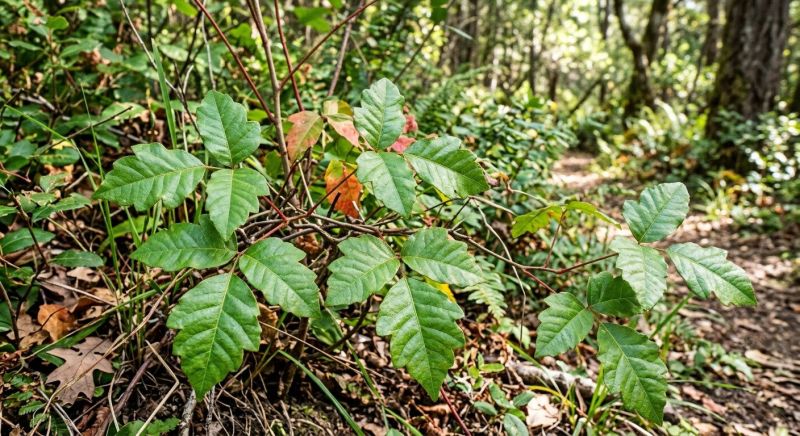
Poison Oak Identification
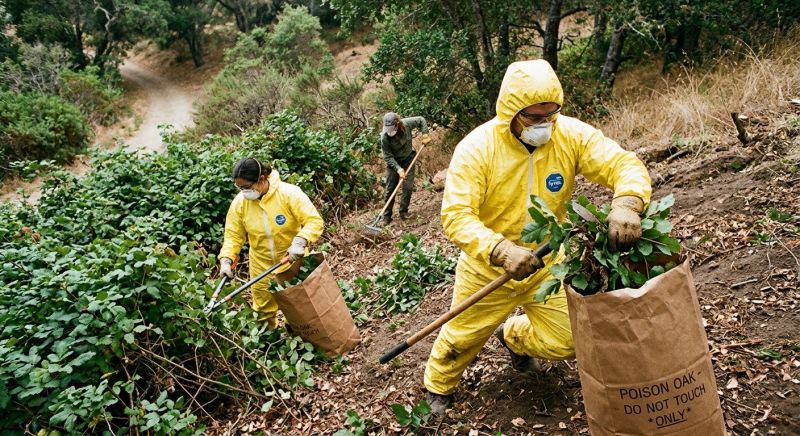
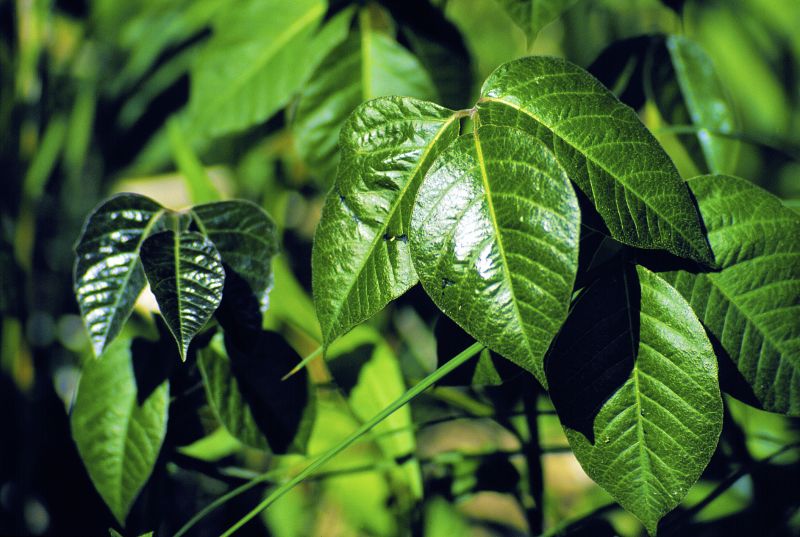
Recognizing poison oak helps prevent skin irritation and health risks on residential and commercial properties.
Safe Removal Methods
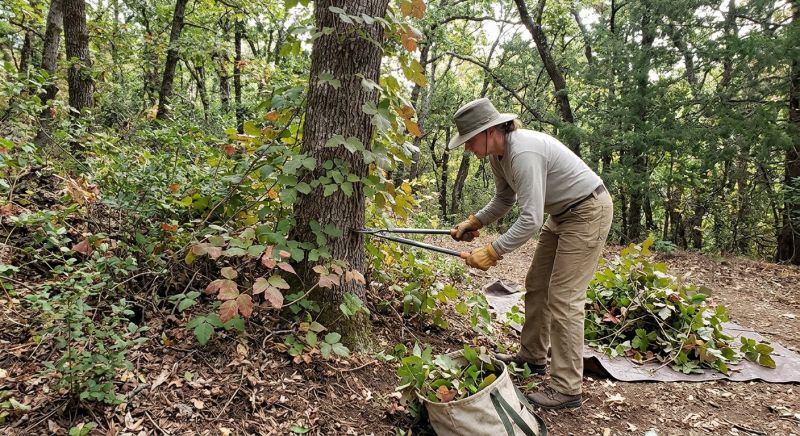
Professional removal ensures poison oak is safely eradicated to protect families, pets, and landscape integrity.
Property Maintenance Tips
Regular clearing of poison oak reduces the chance of accidental contact in yards and outdoor spaces around harford county.
Poison Oak Removal in Harford County, MD
Poison oak removal services focus on safely eliminating this hazardous plant from residential properties. These services are typically requested for projects such as clearing overgrown areas, maintaining yards, or preparing land for landscaping. Property owners should understand that poison oak can cause skin irritation and allergic reactions, making professional removal essential for safety. The process involves identifying the plant, carefully removing it, and ensuring that the roots are fully extracted to prevent regrowth, especially in areas where children or pets play.
Before requesting poison oak removal, property owners often want to know about the scope of the project, including the size of the affected area and the best methods for removal. It is also helpful to understand whether the removal will include disposal of the plants and if any follow-up treatments are recommended to prevent future growth. Clear communication about the property’s landscape and any specific concerns can help ensure the removal process is effective and thorough.
Many property owners in Harford County, MD look into Poison Oak Removal for repairs, replacements, upgrades, and appearance-related improvements.
Common Poison Oak Removal Jobs
Poison Oak Removal - professional removal services eliminate poison oak from residential landscapes.
Yard Clearing - clearing overgrown areas to prevent poison oak exposure.
Bush and Shrub Removal - safely removing infested plants to protect property and health.
Property Maintenance - ongoing upkeep to prevent poison oak regrowth.
Landscape Cleanup - thorough removal of poison oak debris and roots.
Vegetation Management - control and removal of invasive plants including poison oak.
Poison Oak Removal Questions
What are signs of poison oak exposure? Symptoms include itching, redness, swelling, and blistering skin where contact occurred.
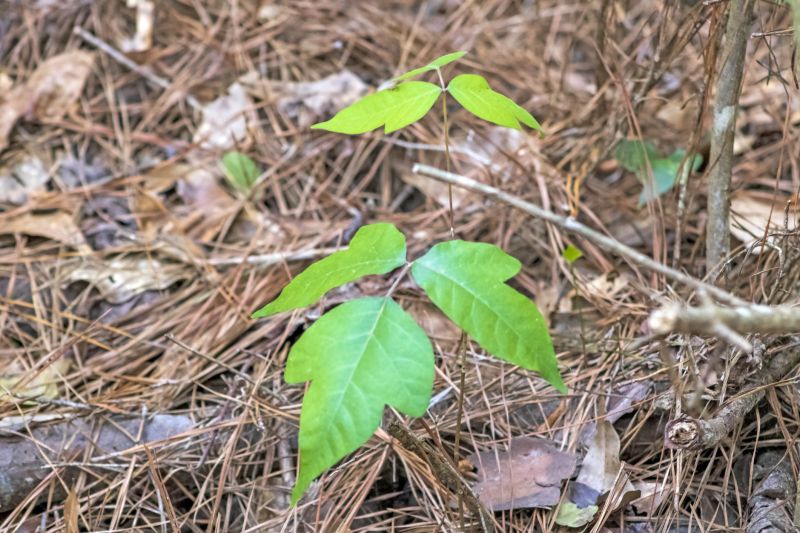
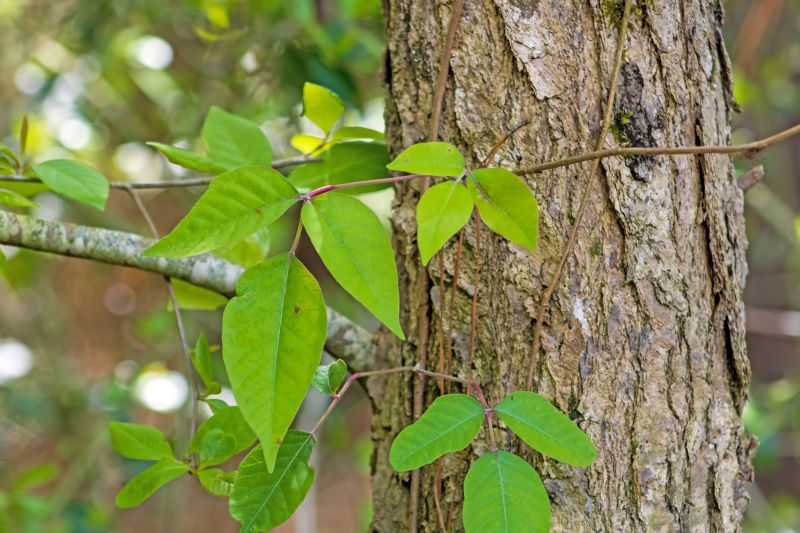
How can poison oak be identified? Poison oak has clusters of three leaflets with a textured surface, often resembling oak leaves.
When is removal necessary? Removal is recommended when poison oak plants are in high-traffic areas or pose a risk of contact.
What should property owners do before removal? It is advised to wear protective clothing and avoid touching or disturbing the plants until they are safely removed.
Request Poison Oak Removal in Harford County, MD
Use the quote form on this page to share the basics of your project and request more information for the type of work you need.